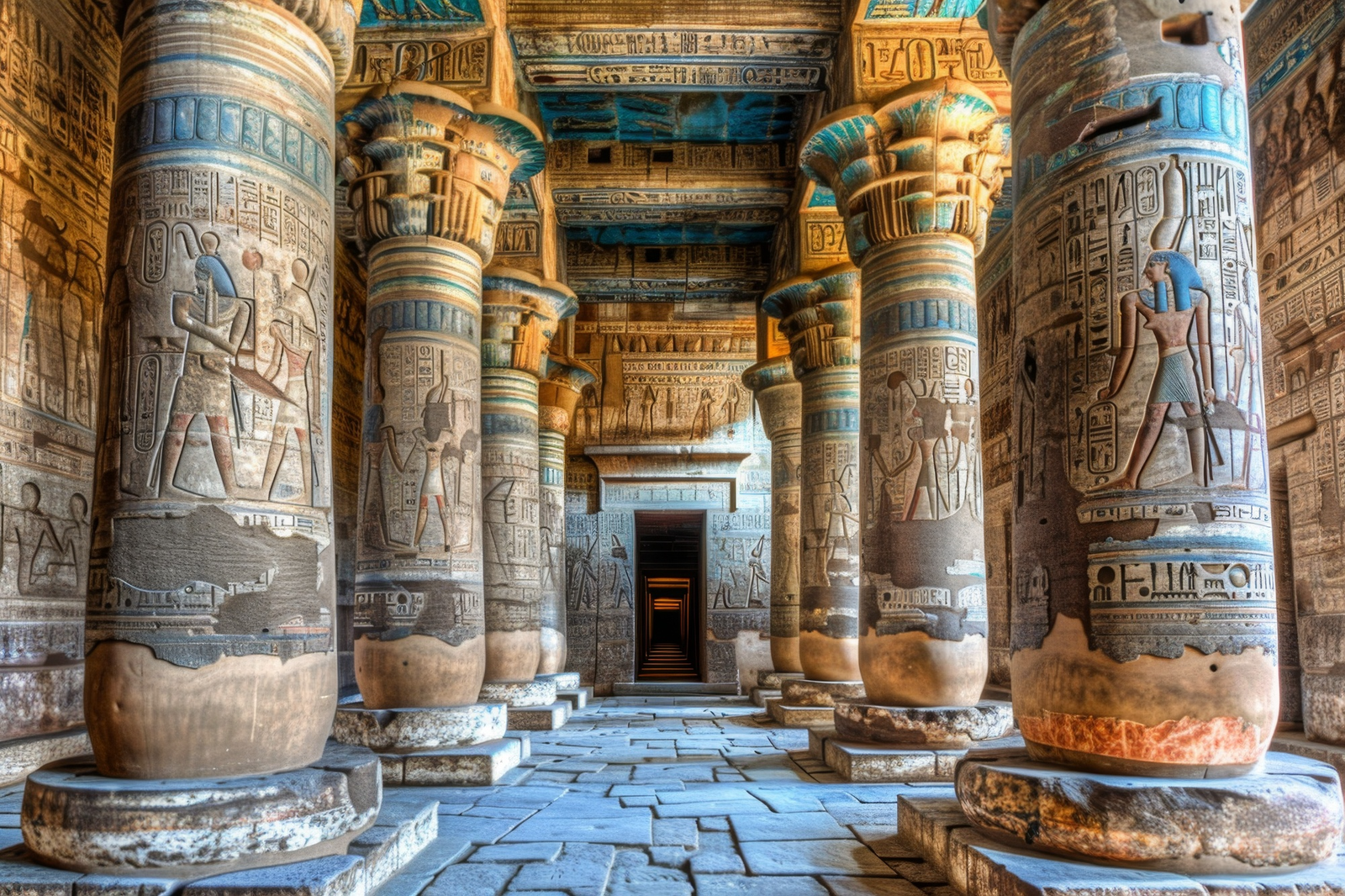
Museums took centuries to invent themselves. The idea that objects from the past should be collected, preserved, and made available for public contemplation is genuinely modern – most of the great museums of the world were founded in the eighteenth or nineteenth century, at the same moment that the concept of shared cultural heritage was being formalized. Before that, antiquities were either in private collections, in ruins, or still in the ground. The museum was a way to let people who couldn’t go to the original sites see the past. It worked extremely well for a long time.
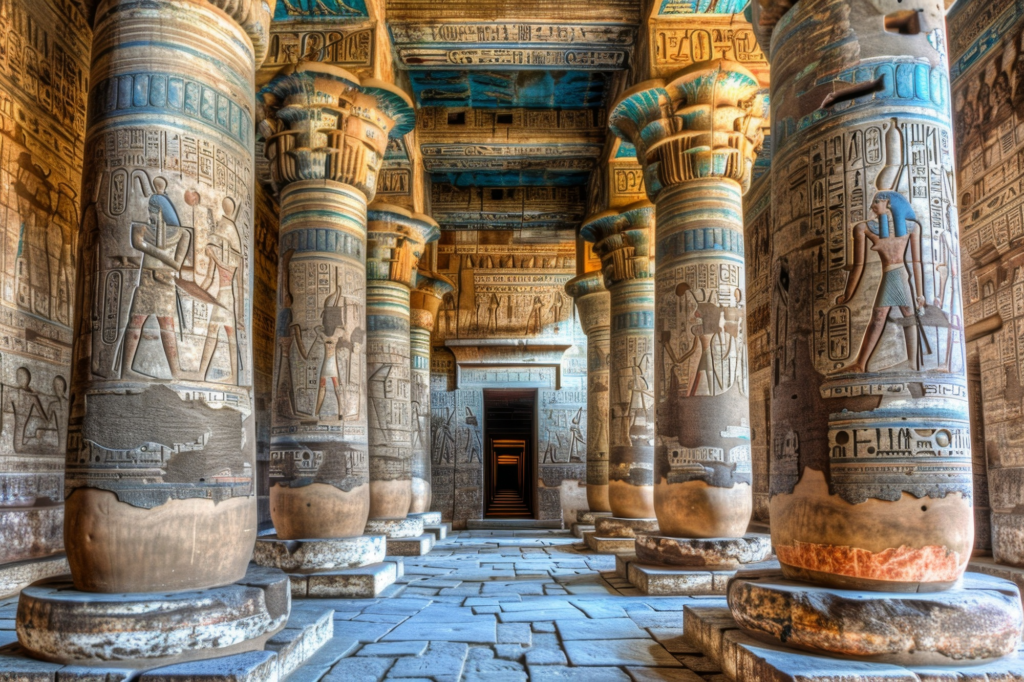
The browser is now doing something structurally similar, but at a scale and with an immediacy that no physical institution can match. The ancient world – Egypt, Greece, Rome, Mesopotamia – is more accessible online than it has ever been in physical form, through formats that range from the rigorously academic to the genuinely playful. Each format makes its own choices about what ancient culture looks like and what it means. The visual language of ancient Egypt rendered in a well-made online ipl betting – the gold palette, the hieroglyphic geometry, the particular weight of pharaonic iconography – represents one such choice, and it presents that aesthetic to players who may never visit an Egyptian gallery but who engage with the imagery in a way that is, in its own terms, real and attentive. This is different from passive consumption. The player is inside the visual world, making decisions within it rather than observing it from the outside.
What the physical museum does well and can’t scale
The physical museum experience has qualities that digital formats genuinely cannot replicate. Standing in front of an object that is actually three thousand years old, in a room with other people who are also looking at it, produces a specific kind of presence that no screen reproduces. The scale of certain artifacts – a sarcophagus, a carved relief that fills an entire wall – communicates something that photographs and renders don’t. The museum visit is a social and physical experience as well as an intellectual one, and that combination is irreplaceable.
What it can’t do is reach everyone. Most people on the planet will never visit the British Museum, the Louvre, or the Egyptian Museum in Cairo. The economics of museum-going – travel, admission, geography – mean that physical access to ancient material culture is distributed extremely unevenly. The browser removes most of those constraints simultaneously.
How digital formats compare as cultural access points
| Format | Geographic reach | Interactivity | Depth of engagement | Cost barrier |
| Physical museum | Local and tourist visitors | Low – observational | High if motivated | Moderate to high |
| Online museum collections | Global | Low – browsing | Variable | None |
| Documentary and film | Global | None | Moderate | Low to none |
| Educational platforms | Global | Moderate | High if structured | Low to moderate |
| Interactive games and apps | Global | High | Moderate – depends on design | Low to none |
The table shows something that cultural institutions have been slowly recognizing: interactive formats, including games, sit at a valuable intersection of global reach, zero cost barrier, and genuine interactivity. They’re not replacements for deeper educational engagement – no single format is – but they function as effective entry points that physical museums, with all their advantages, structurally can’t provide to a global audience.
The design question nobody quite asks
When a game draws on ancient Egyptian aesthetics, a set of design decisions have been made about what that culture looks like and what it means. These decisions aren’t neutral, and thinking about them is more interesting than dismissing the whole enterprise as superficial. The choice to foreground gold and hieroglyphics over, say, agricultural records or administrative papyri is a choice about which version of ancient Egypt the player will encounter. It’s the spectacular version, the version that has been constructed and reconstructed over two millennia of interpretation.
But that’s also true of the museum. The objects displayed in Egyptian galleries were selected by curators making similar choices about what matters and what represents. The difference is that the game makes these choices more visibly, more commercially, and in a context where nobody expects scholarly neutrality. That transparency is arguably useful. Players of Egyptian-themed games may be more aware that they’re engaging with a constructed image than visitors to an exhibition who experience the institutional authority of the museum as a kind of guarantee of authenticity.
What access without gatekeeping actually changes
The deeper shift that browsers and interactive formats represent isn’t just about reach – it’s about the removal of gatekeeping. Tangible museums have curators, entry points, operating times, and an institutional tone that shapes how guests connect with what they are viewing.Online formats don’t have any of that. The result is messier, more varied in quality, and less controlled. It’s also more democratic in a meaningful sense: the person who spends an hour in an Egyptian-themed interactive format and comes away wanting to know more about the actual history has had a real encounter with ancient culture, even if that encounter was channeled through entertainment design rather than study. Where they go next is up to them.


